Skill Programme ID:
SP-250815
NQF Level:
2
Credits:
2
Pre-requisites:
None
Duration:
2 Days
*The purpose of this skills programme is to build the understanding of learners to function as an Essential OHS Representative in a Low-Risk Operational Environment. An Essential OHS Representative in a Low-Risk Operational Environment is an elected employee that executes the role of representing a designated group of employees in relation to the protection of their Occupational Health and Safety rights in the workplace.
Upon successful completion of this skills programme the learner will be able to:
* From QCTO Occupational Skill Programme Curriculum Document

Skill Programme ID:
NCB
NQF Level:
Credits:
Pre-requisites:
None
Duration:
1 Day
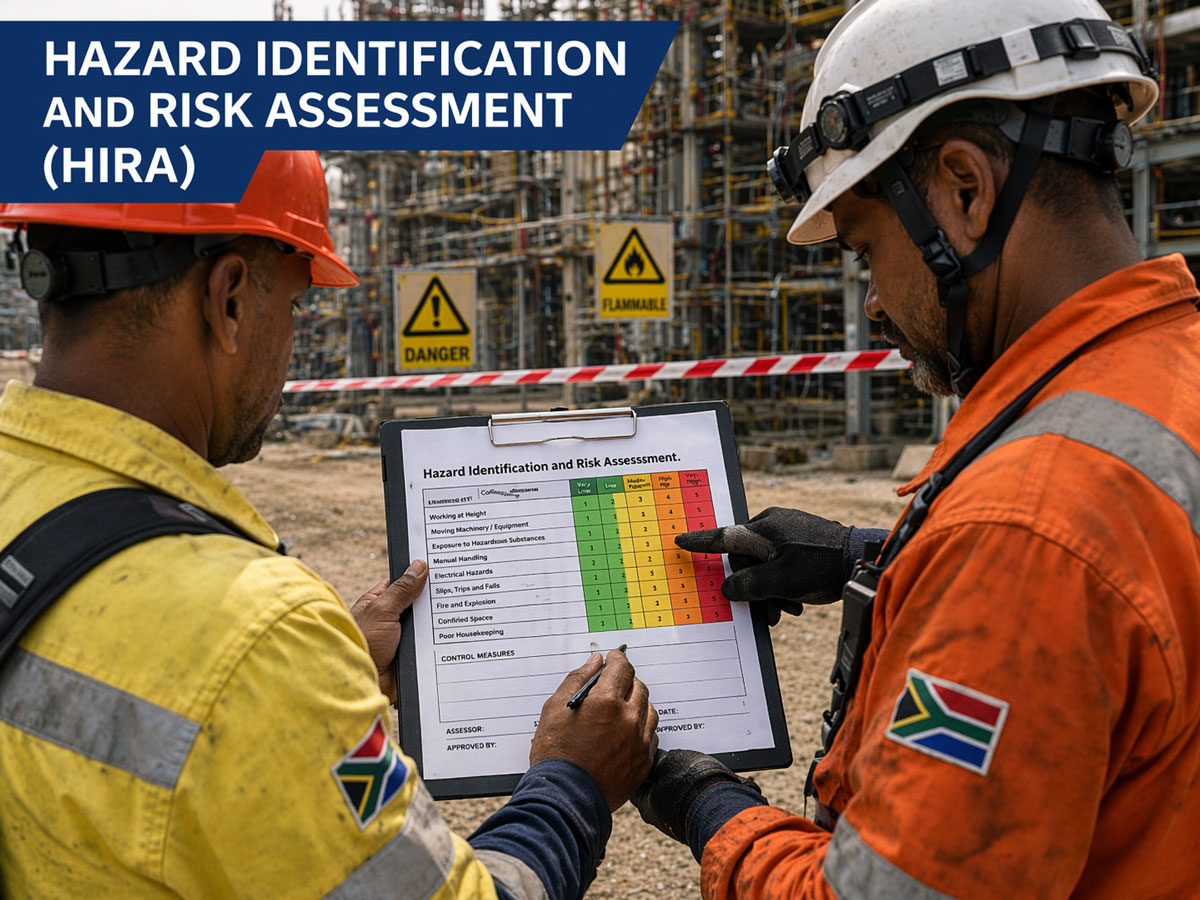
To understand the requirements of the OHS Act with regards Identifying hazards and assessing the risk attached thereto.
To arm learners with the required knowledge and ability to carry out their functions with regards controlling risks.

Skill Programme ID:
Not Credit Bearing
NQF Level:
Credits:
Pre-requisites:
None
Duration:
1 Day
The purpose of the course is to demonstrate an integrated practical and theoretical approach to maintaining occupational health, safety and general housekeeping, thus ensuring good health and safety practices

Skill Programme ID:
SP-250604
NQF Level:
2
Credits:
2
Pre-requisites:
None
Duration:
2 Days
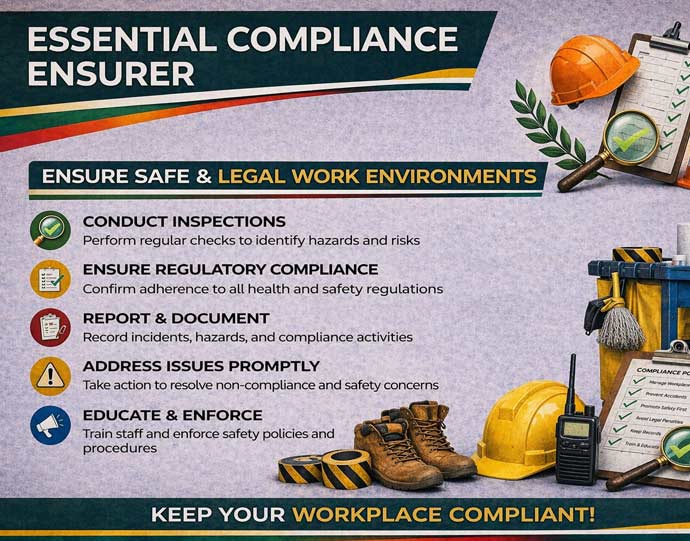
*The purpose of this skills programme is to enable learners to function as an Essential Occupational Health and Safety (OHS) Compliance Ensurer.
An Essential Occupational Health and Safety (OHS) Compliance Ensurer is a legislated job role that exists in all occupations. All employees must be aware of and ensure compliance with the essential OHS requirements associated with their workplace and their job functions to avoid incurring legal liabilities for themselves and their organisations.
Upon successful completion of this skills programme the learner will be able to:
Apply operational knowledge of OHS legislation to identify and clarify potential personal legal liabilities relating to OHS in a work environment.
Apply common practice procedures to report any workplace incidents, injuries, near misses, or hazardous conditions to the appropriate supervisor or designated safety personnel, as required by OHS regulations and through this mitigate the potential for incurring legal liabilities.
Apply common and essential methods to adhere to established safety procedures, protocols, and guidelines provided by the employer to mitigate risks and prevent accidents or injuries in the workplace that could lead to incurring personal and organisational legal liabilities.
* From QCTO Occupational Skill Programme Curriculum Document

Skill Programme ID:
NCB
NQF Level:
2
Credits:
Pre-requisites:
None
Duration:
2 Days
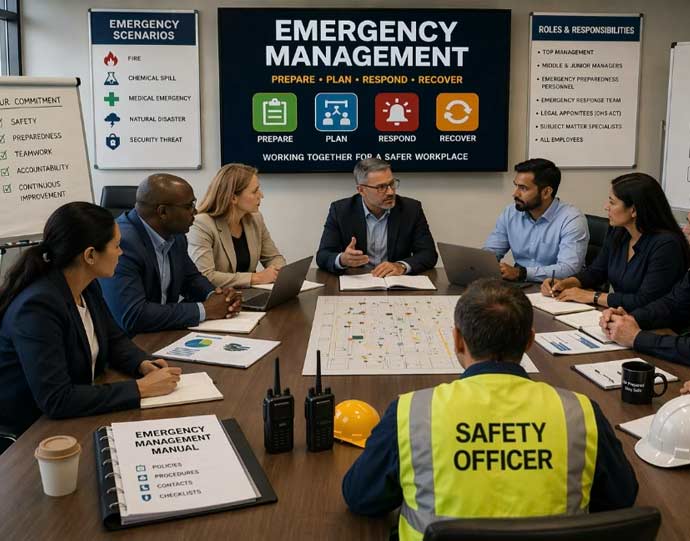
The information contained in the Emergency Management manual is intended to help employers and employees with the resolution emergencies in the workplace. The terms employers and employees typically refers to, company executives and top managements, middle and junior managers, emergency preparedness personnel, emergency response team members, legal appointees in terms of the OHS Act as amended and subject matter specialists within companies. Target audience any other individuals who are expected to participate in the resolution of emergency situations whether it be by the role they play in the planning thereof or direct participation at incidents. Representation from lower levels in organisations in risk assessment, planning and preparations is not only encouraged, but also regarded as essential.

Skill Programme ID:
NCB
NQF Level:
Credits:
Pre-requisites:
None
Duration:
1 Day
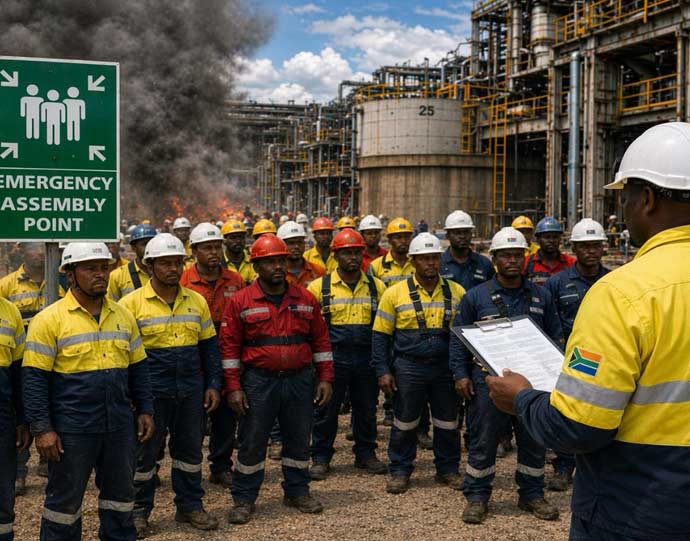
The learner will be able to identify types of emergency and assist with the evacuation of people during an emergency. The learner wil be able to identify and deal with potential and/or existing threats and respond to emergency signals.
This study unit addresses the outcomes and assessment criteria as prescribed in the previous Unit Standard: Conduct evacuations and emergency drills .
Upon successful completion of the requirements you will be able to:
Identify the emergency situation.
Assist with an evacuation drill.
Respond to emergency signals in own area of responsibility.

Skill Programme ID:
NCB
NQF Level:
Credits:
Pre-requisites:
None
Duration:
1 Day
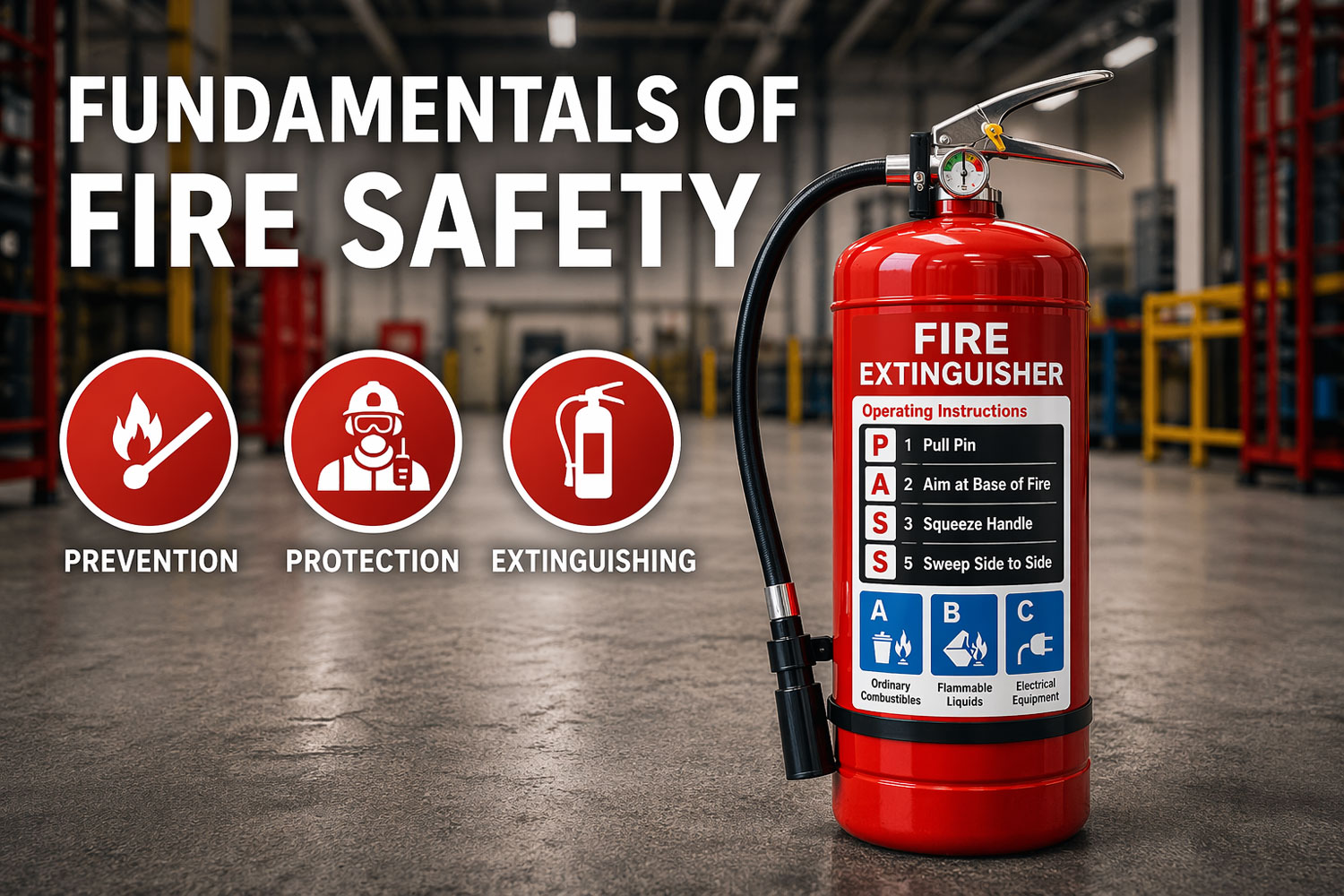
This course provides learners with a foundational understanding of fire behaviour principles, fire prevention, fire protection and recognition of developing fire conditions. The aim is to support safe, effective evacuation and response actions that mitigate hazards within the fire’s environment.
The objective of this module is to equip learners with essential knowledge of:
Understand fire safety principles / legislation and equipment to prevent, identify potential fire emergencies and types of fires.
Select the correct extinguisher.
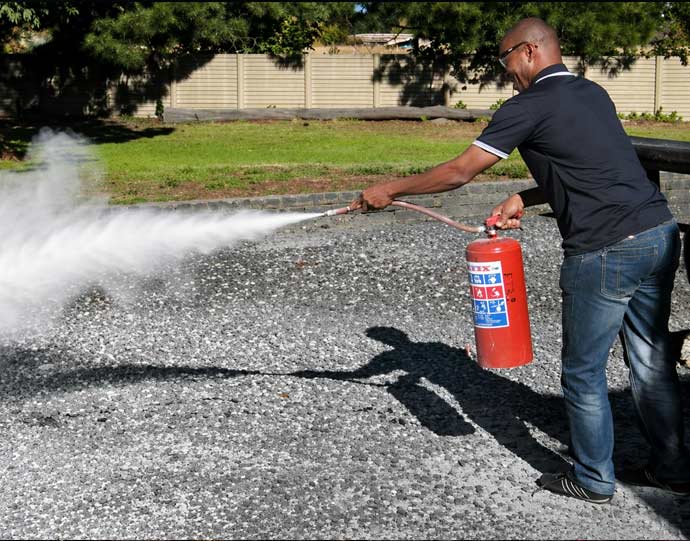
Operate an extinguisher safely.
Respond swiftly, and appropriately to a fire emergency.
The science of fire and combustion.
Fire development and spread mechanisms and how to evacuate safely.
Recognition of hazardous fire conditions.
Appropriate fire suppression principles.
This knowledge will assist the employer and employee to take the correct decisions when combating fires.

Skill Programme ID:
Not Credit Bearing
NQF Level:
Credits:
Pre-requisites:
None
Duration:
1 Day
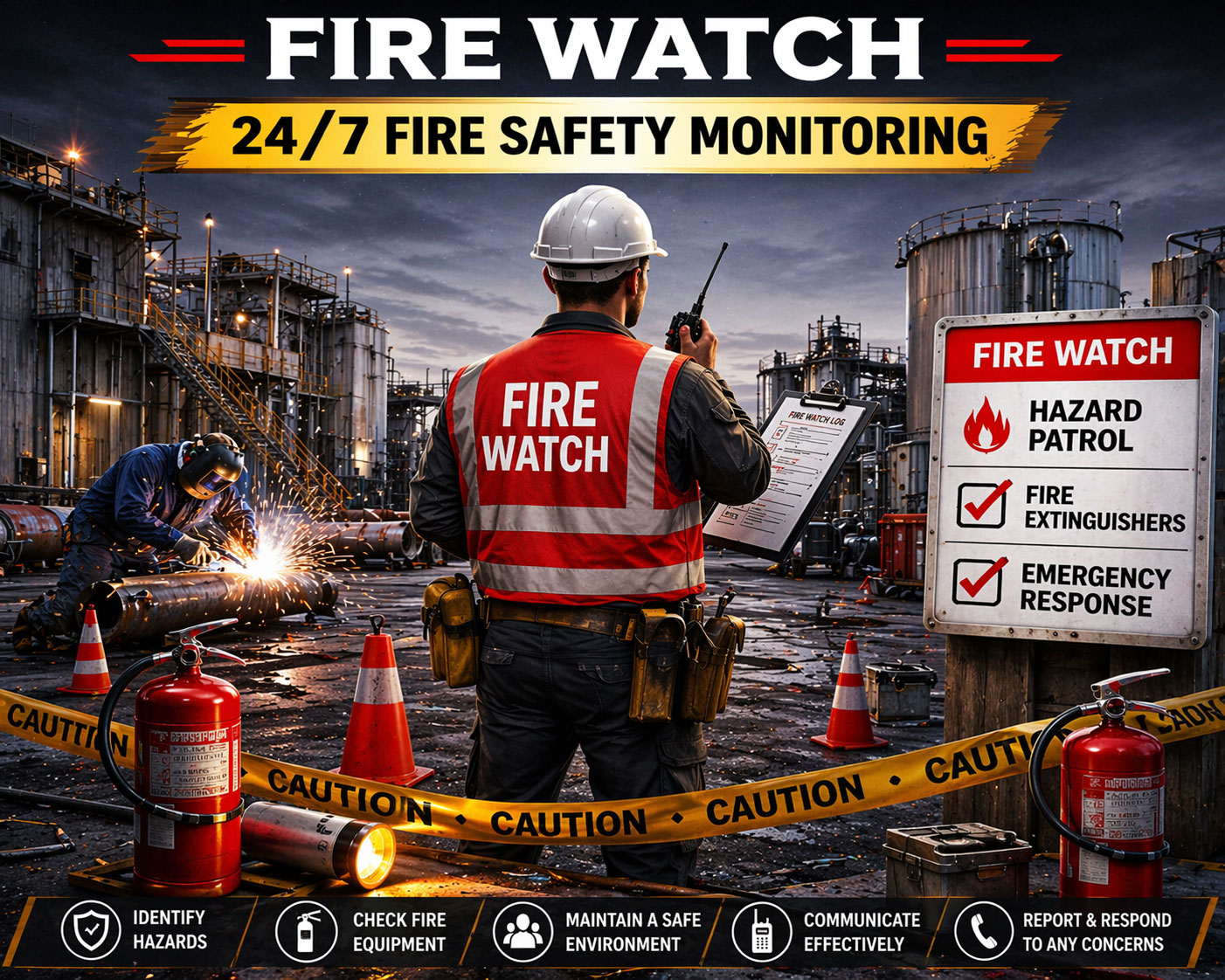
This course will provide learners with theoretical and practical knowledge, and skills to understand what fire is, how it behaves, and to successfully extinguish small fires, in their begining phase with portable firefighting equipment. The course provides learners with the knowledge and principles of fire prevention, evacuation, housekeeping, hot work permits, raising the alarm and fire extinguishment. Finally the course offers learners the knowledge to perform duties of an appointed Fire Watch.

Skill Programme ID:
NCB
NQF Level:
Credits:
Pre-requisites:
None
Duration:
5 Hours
This course provides learners with a foundational understanding of fire behaviour principles that enable recognition of developing fire conditions. The aim is to support safe, effective response actions that mitigate hazards within the fire’s environment.
The objective of this module is to equip learners with essential knowledge of:
Identify types of fires.
Select the correct extinguisher.
Operate an extinguisher safely.
Respond swiftly, and appropriately to a fire emergency.
The science of fire and combustion.
Fire development and spread mechanisms and how to evacuate safely.
Recognition of hazardous fire conditions.
Appropriate fire suppression principles.
This knowledge will assist the employer and employee to take the correct decisions when combating fires.

Skill Programme ID:
NCB
NQF Level:
Credits:
Pre-requisites:
None
Duration:
1 Day
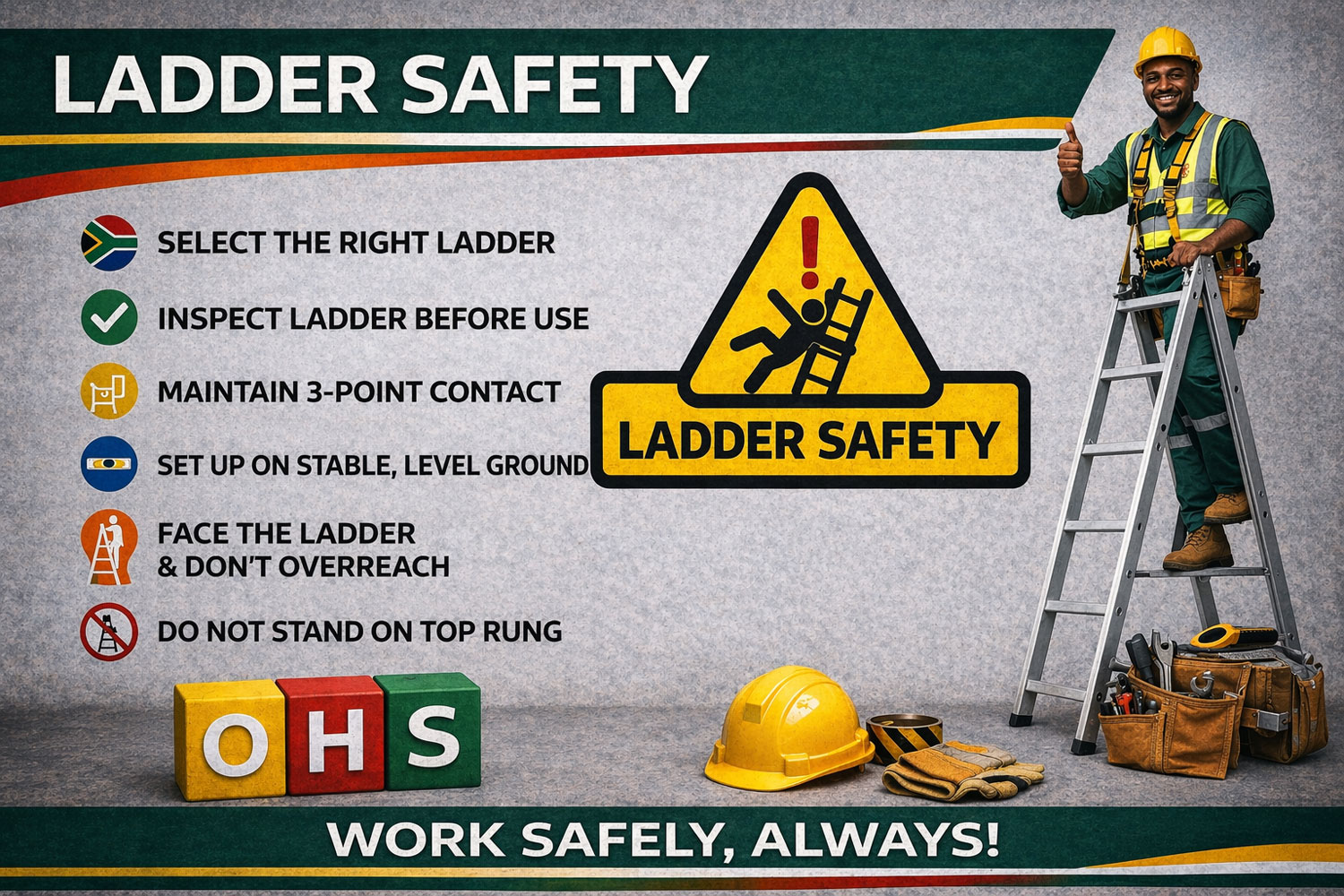
This course will teach learners how to select, care, maintain inspect and follow legislation pertinent to various ground ladders.

Skill Programme ID:
NCB
NQF Level:
Credits:
Pre-requisites:
None
Duration:
1 Day
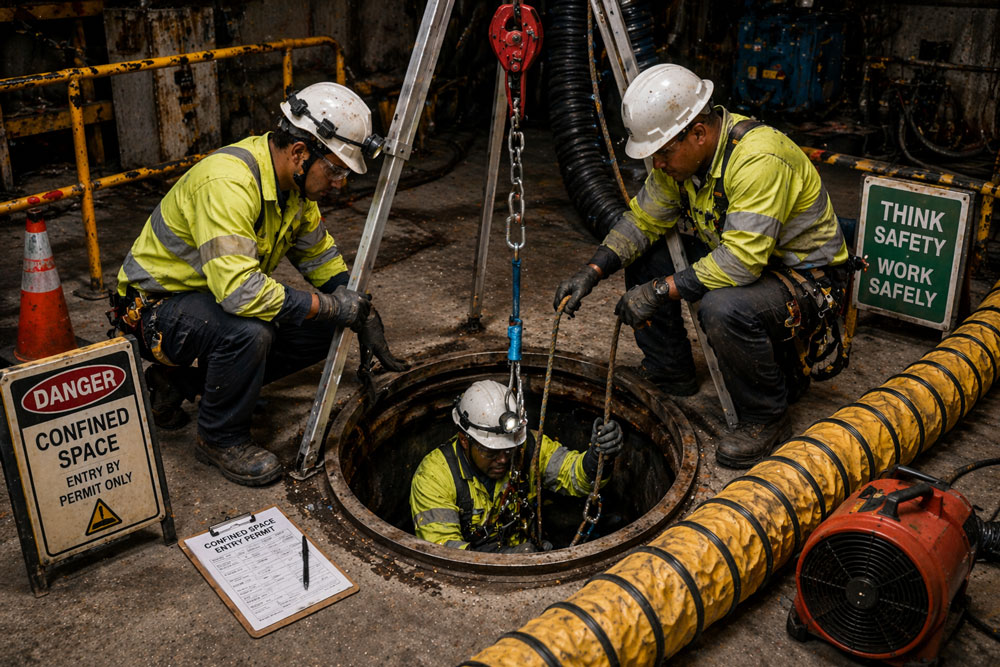
This course will teach learners to understand what confined spaces are and what hazards are associated with a Confined Space Rescue, and the correct procedures to be followed when working in and around confined spaces. This course will provide the knowledge and understanding required to work as member of a team in confined spaces.

Skill Programme ID:
NCB
NQF Level:
Credits:
Pre-requisites:
None
Duration:
1 Day
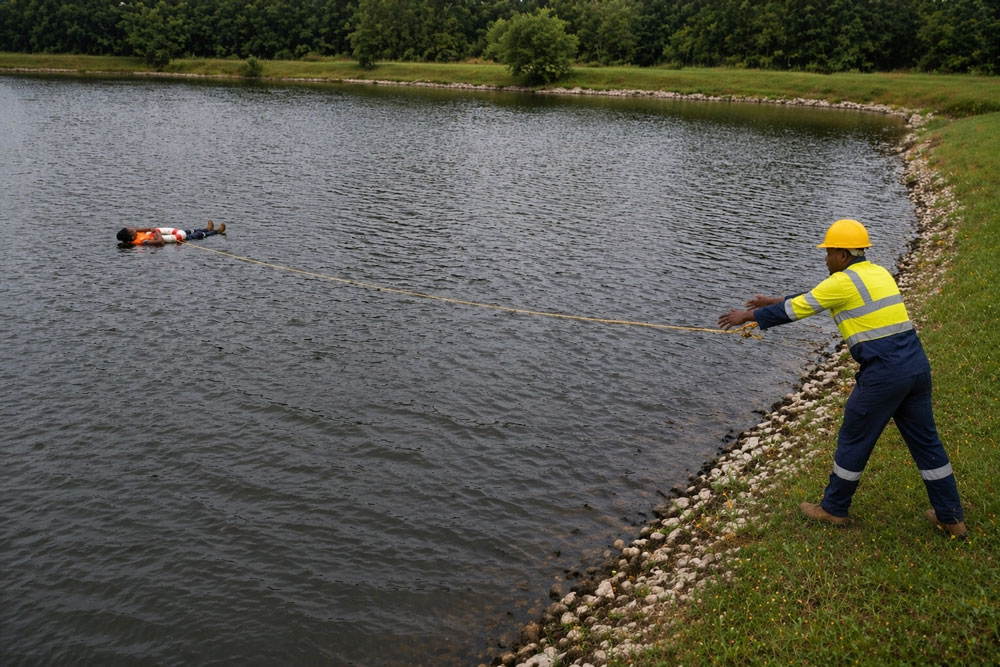
This course is intended for employees are at risk of falling into still standing water bodies, or who may be expected in the course of their duties, to retrieve a co-worker who has fallen into a body of water or a vessel filled with water.
Not available in winter months

Skill Programme ID:
NCB
NQF Level:
Credits:
Pre-requisites:
None
Duration:
1 Day
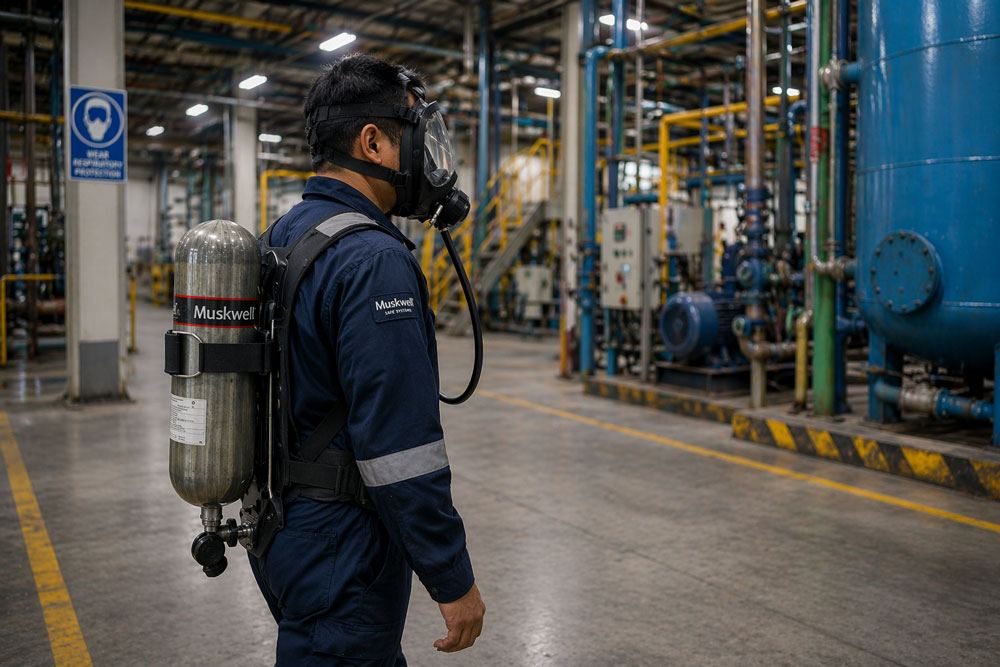
This course is intended for employees who need to use a self contained breathing apparatus. The learner will be able to safely and effectively use a self-contained breathing apparatus during normal occupational assignments and emergency operations.
The learner will posses the fundamental knowledge and skills to ensure that respiratory protection is not intentionally compromised, and hazardous areas are exited prior to air depletion.

Skill Programme ID:
NCB
NQF Level:
Credits:
Pre-requisites:
None
Duration:
1 Days
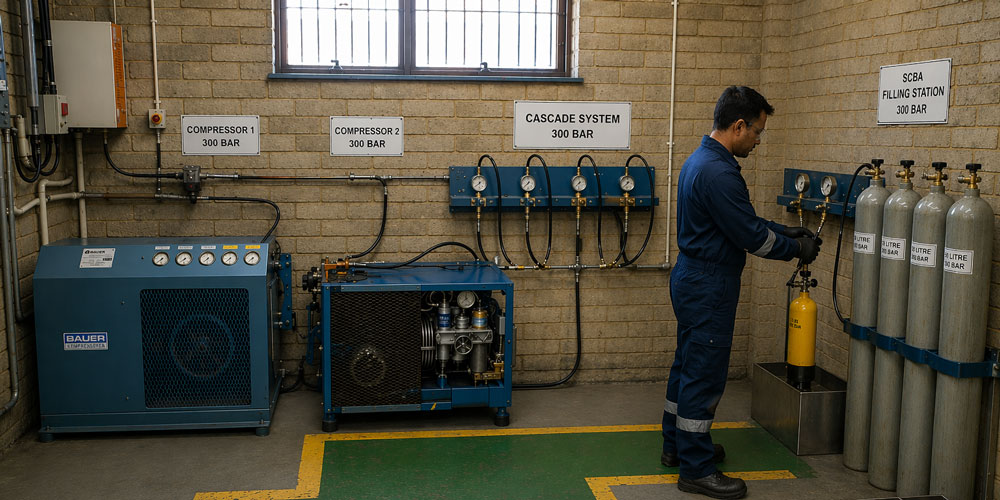
This course is intended for employees who need to understand the statutory requirements pertaining to the refilling of Self Contained Breathing Apparatus (SCBA) by making use of a high pressure breathing air compressor and related equipment and who need to ensure that the process of cylinder refilling is adhered to safely.

Skill Programme ID:
NCB
NQF Level:
Credits:
Pre-requisites:
None
Duration:
2 Days
This course is designed for people working at height where there is a risk of injury from a fall. Learners will be involved in performing tasks at height. Qualifying learners are able to follow fall arrest principles to perform work at height safely, under supervision of a qualified supervisor.
Learners must be medically fit and in possession of a medical certificate, declaring the learner free from a condition that may prevent the learner from working safely as specified in the range statement. (An example of the content of the medical certificate is available in SABS 0333:2 Annex A).